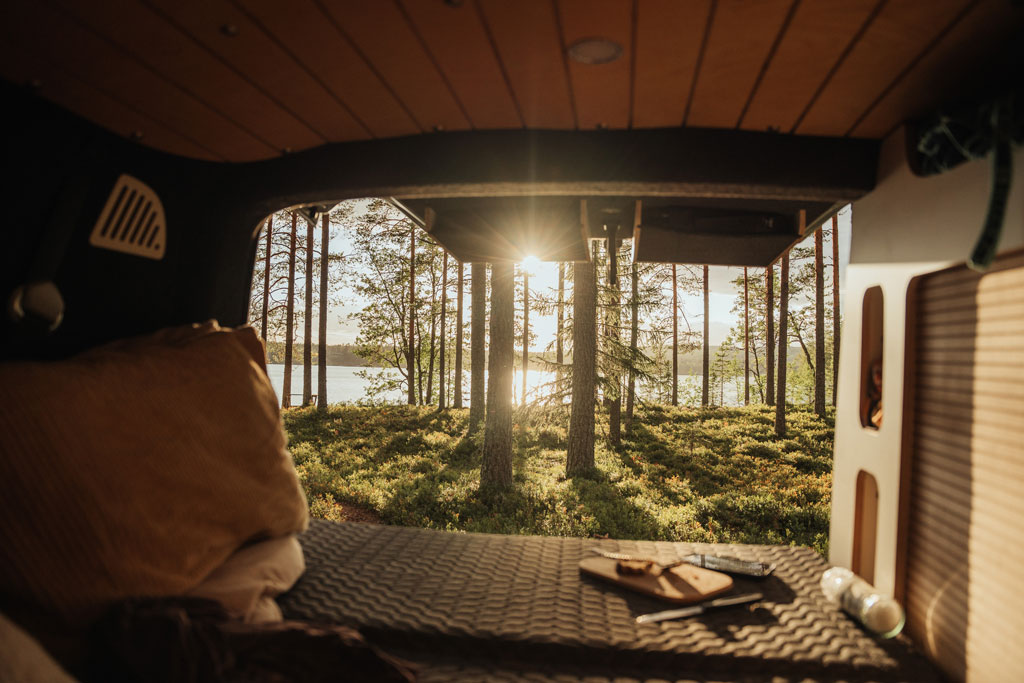
Moby Van chooses Koskisen birch plywood
Moby Van builds smarter camper interiors with Koskisen birch plywood
When the event industry came to a standstill during the pandemic, events professional Sebastian Korth found himself looking for a new direction. His new business furnishing camper vans started as a way to bridge an uncertain period but grew into something much bigger. In 2020, driven by a desire to combine functionality, craftsmanship, and customer-focused design, he founded Moby Van. Drawing on his event industry experience, Korth began developing solutions that would make van conversions simpler and more accessible while meeting high standards for quality and aesthetics. After experimenting with camper conversion components available on the market, he felt he could create it all better himself.
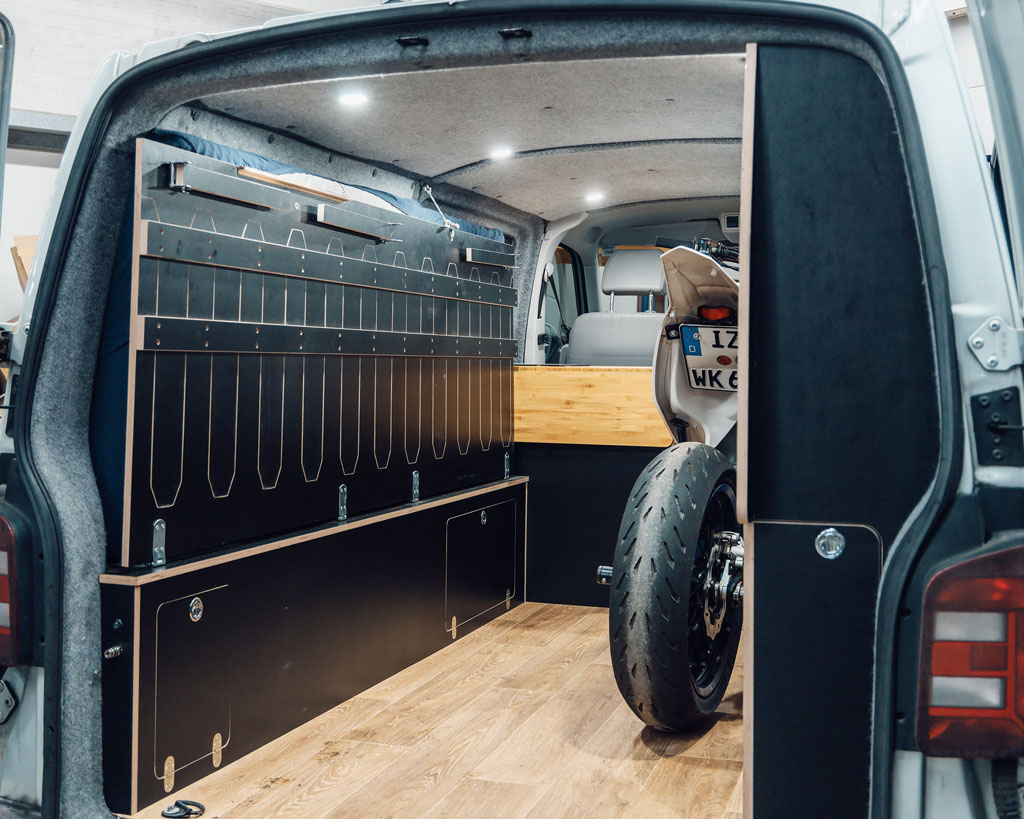
Over half a decade later, Moby Van specializes in modular camper systems that allow customers to transform their vans without the complexity and permanence of traditional conversions. The company’s approach centers on creating interiors that are practical, easy to install, and built to last

Designed around customer experience
For Moby Van, successful camper design starts with understanding what customers truly value. According to Korth, today’s customers are looking for simplicity, quality, and a feeling that makes the van feel like a home away from home. The company has built its products around these expectations. Modular furniture systems provide flexibility and ease of use, while carefully selected materials and finishes create an inviting atmosphere. Although customers often discover Moby Van online, Korth notes that many fully appreciate the quality only after seeing and touching the products.
“It’s the overall feeling that matters,” he explains. The combination of thoughtful design, natural materials, and craftsmanship creates an experience that goes beyond functionality alone.
Moby Van helps to create spaces people want to spend time in
Material selection plays a crucial role in achieving both performance and comfort in a camper environment. Furniture must withstand daily use, constant movement, and changing conditions without compromising reliability or appearance.
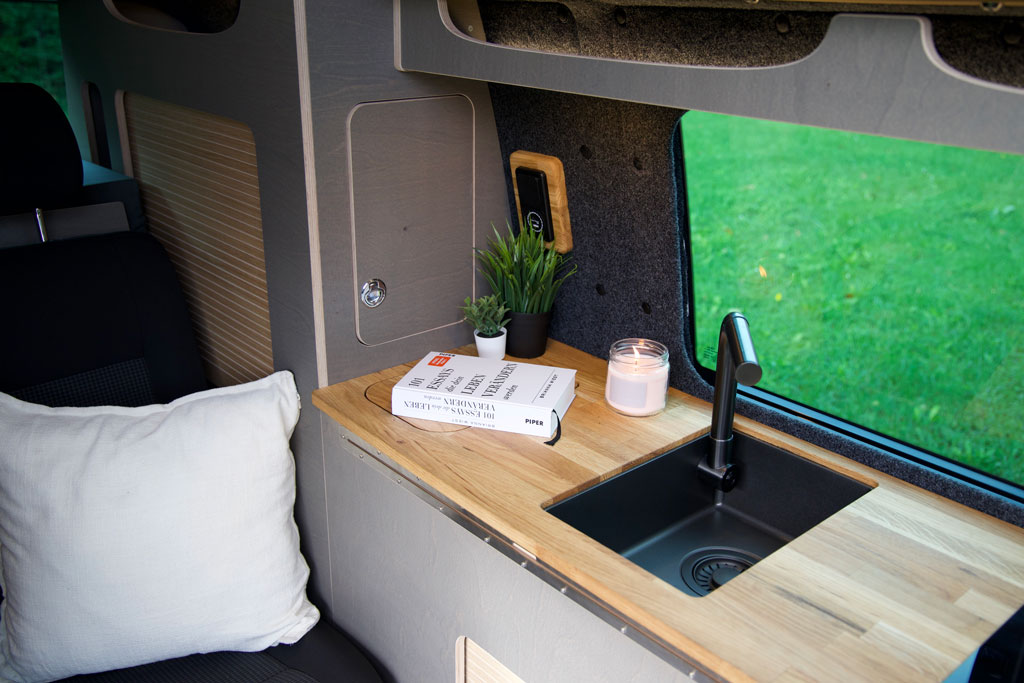
For this reason, Koskisen birch plywood has become a cornerstone of Moby Van’s products. Its stability and strength make it well suited for camper furniture, allowing the company to create robust structures while maintaining a pleasant and natural look, Korth explains.
Beyond technical performance, materials also influence how a space feels. Korth believes that natural wood brings warmth and authenticity to the interior, creating a more enjoyable environment than synthetic alternatives. Safety is equally important. Camper furniture must be securely integrated into the vehicle, ensuring reliable performance even under demanding conditions.
A partnership built on reliability
Moby Van has worked with Koskisen’s plywood since the company’s earliest days. The relationship began through a manufacturing partner, allowing the team to test the material in real-world applications. The positive experience quickly turned into a long-term partnership.
For Korth, reliability is one of the most valuable aspects of the collaboration. Koskisen’s plywood supports the company’s customer promise by providing consistent quality and durability over time. Furniture systems installed in some of Moby Van’s earliest vehicles continue to perform as intended years later.
The company also values the transparency and dependability of sourcing materials. Knowing where the products come from, understanding how they are manufactured, and being able to rely on fast deliveries are all important advantages. Combined with a broad product range and compliance with European standards, these factors help Moby Van deliver the quality its customers expect.
The future of van life is natural and lightweight
Looking ahead, Korth sees growing demand for natural materials and lightweight construction solutions. As electric vehicles become more common, weight efficiency will become increasingly important, making material choices even more critical for camper manufacturers. At the same time, customers will continue to expect interiors that combine durability, functionality, and visual appeal. For Moby Van, the opportunity lies in creating spaces that feel natural and comfortable while meeting the technical demands of modern mobility.
“We see a future where smart design, sustainable materials, and lightweight construction work together,” says Korth. “That’s where the industry is heading, and that’s where we want to be.”