
The wood products company Koskisen’s chipboard factory has been manufacturing high-quality, clean chipboard for the furniture and construction industries for 50 years. The factory, commissioned in late summer 1975, was established at a time when the use of chipboard was rapidly expanding, with the boards widely used in interior design and construction.
“At that time, there were 15 chipboard factories operating in Finland, and the total domestic production of chipboard amounted to 800,000 m³ per year. Koskisen’s annual production then was 8,700 m³,” says Tom-Peter Helenius, Director of the Panel Industry business.
According to Helenius, in the 1980s foreign competition, the decline of trade with the East, and rising production costs led to the closure of several chipboard factories in Finland.
“Despite the challenges in the operating environment, Koskisen continued to invest and also developed further processing of the base board. In the early 2000s, Koskisen became Finland’s only manufacturer of chipboard. Today, Koskisen produces around 100,000 m³ of both raw and coated chipboard with various surface materials.”
Koskisen’s competitive edge in chipboard manufacturing has always been continuous product development and responsiveness to customer needs.
“We have the ability to maintain a unique product palette and tailor boards to customers’ needs. We are eager to challenge the standardized way of manufacturing board products and to develop products together with our customers,” Helenius says.
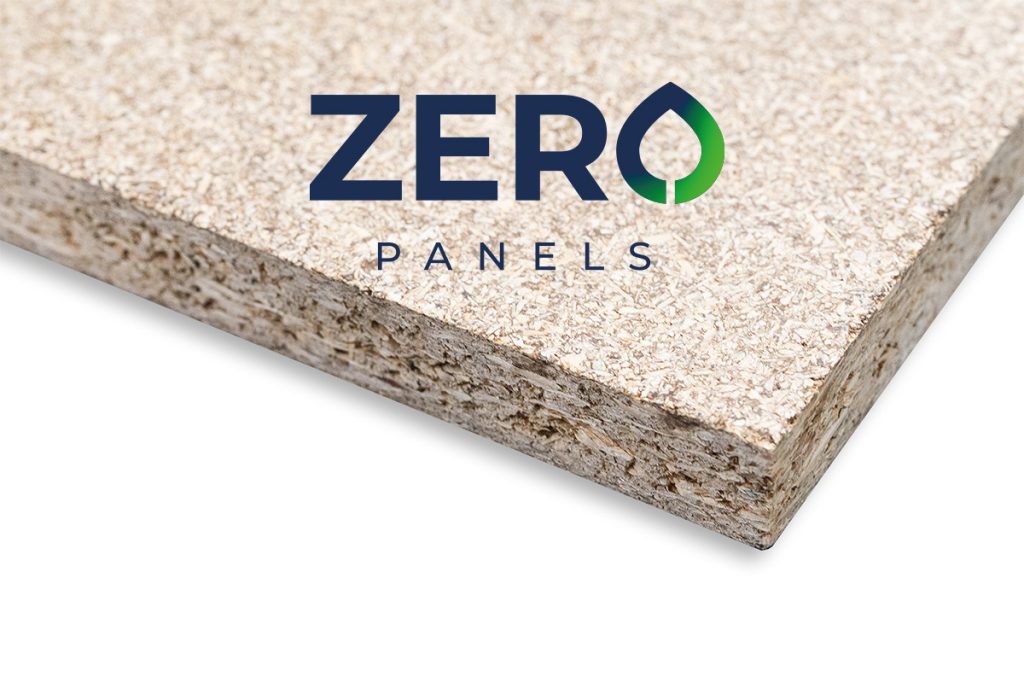
The company’s product development capability is demonstrated by the fact that a few years ago, from a very traditional product, Koskisen developed the world’s first furniture board made entirely from bio-based raw materials: Zero. In this product, the fossil-based binder has been replaced with a renewable wood-based binder, lignin. The wood raw material of the Zero board is sourced from Koskisen’s own production side streams.
“Our customers are increasingly interested in products that reduce their climate and environmental impact. In addition to new bio-based raw materials, this year we have piloted the use of discarded wooden packaging materials – such as pallets – from the retail distribution chain as raw material for chipboard,” Helenius explains.
Increasing the use of recycled material in chipboard products is one of Koskisen’s sustainability goals. During the pilot, a unique cleaning process for recycled raw material was developed in Finland. Thanks to this process, an exemplary circular economy product is produced, with properties equivalent to chipboard made from virgin chips and shavings.
Koskisen will celebrate 50 years of chipboard production together with its employees and stakeholders during September.
